
Introduction
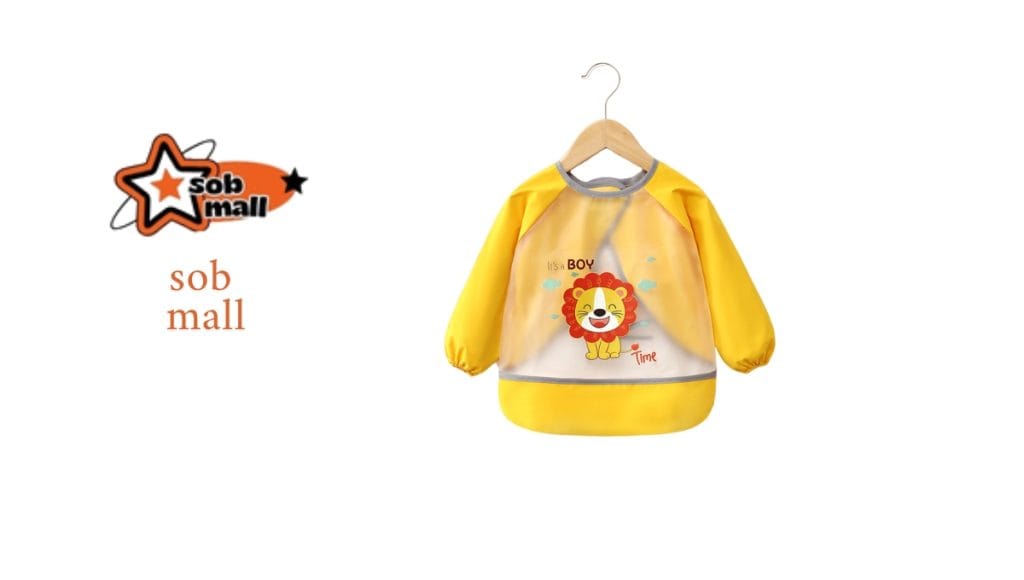
When most people hear the word bibs, they immediately think of babies—tiny, adorable infants wearing soft cotton bibs to catch drool or food. While that association is certainly accurate, bibs are far more versatile and historically rich than many realize. From their humble beginnings to modern-day innovations, bibs have evolved in form and function, serving everyone from infants to athletes and even gourmet chefs. In this article, we explore the fascinating world of bibs, including their history, types, materials, and why they remain an essential accessory in multiple domains.
The History of Bibs
The origin of bib dates back thousands of years. Evidence of early bib-like garments has been found in ancient civilizations such as Egypt and Mesopotamia, where simple cloths were used to protect clothing during meals. However, the term “bib” itself is derived from the Middle English word bibben, which means to drink or soak up. It’s quite fitting, given that the primary purpose of a bib is to absorb or deflect liquids.
In the 19th century, bibs began to take on the form we recognize today. They became common in upper-class households as part of etiquette during formal meals. Embroidered or lace-trimmed bibs were often worn by infants from wealthy families, not only to keep clothes clean but also to showcase social status. Over time, bib became more widespread and utilitarian, expanding beyond social display to become everyday essentials for caregiving.
Types of Bib
Bib come in various types, each tailored for specific needs and demographics. Here are the main categories:
1. Baby Bib
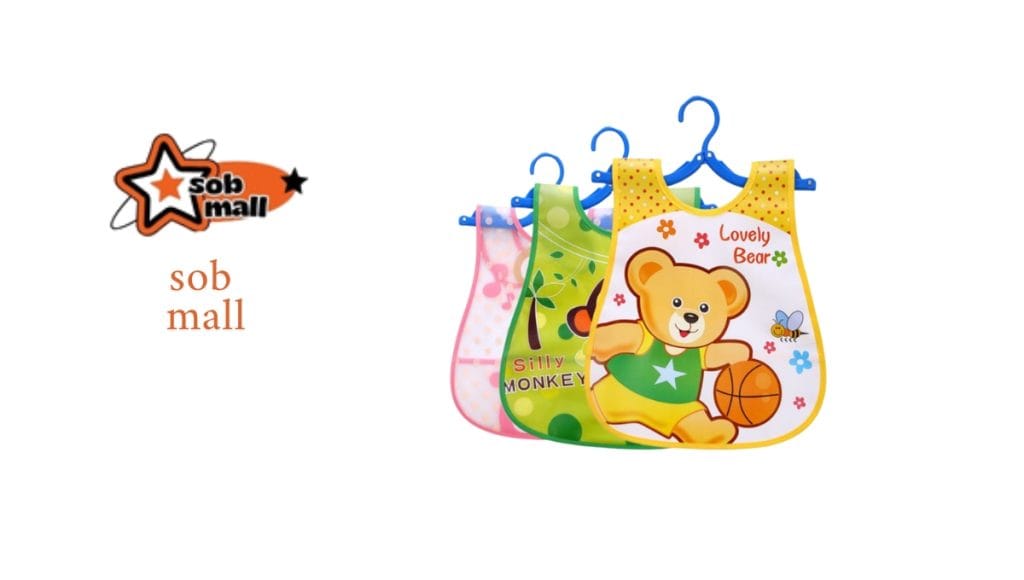
The most well-known type, baby bibs are designed to protect an infant’s clothing from drool, spit-up, and food. They come in a wide range of materials and designs:
- Drool bib: Smaller and absorbent, perfect for teething babies.
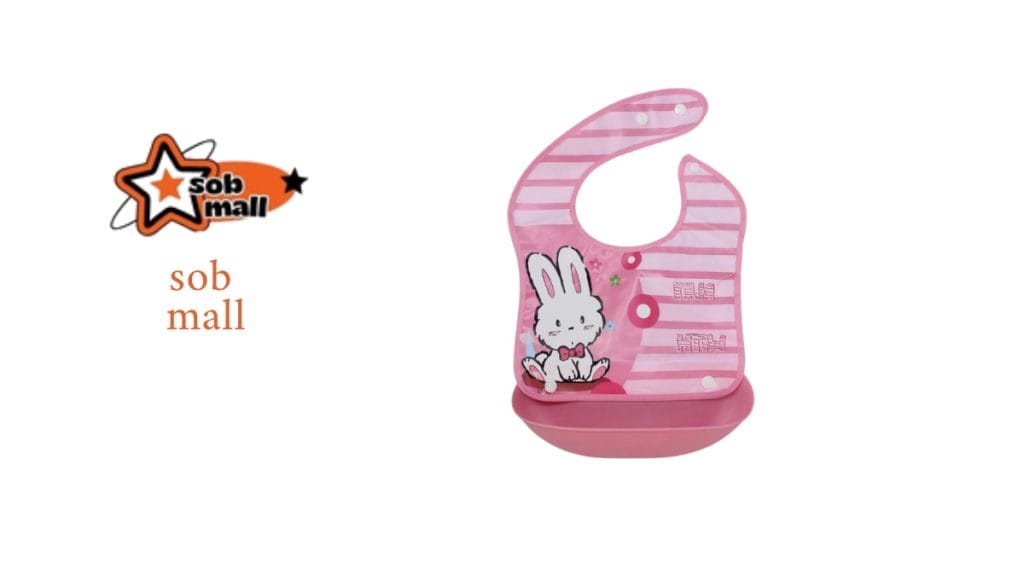
- Feeding bib: Larger, often waterproof or wipe-clean, ideal for messy eaters.
- Bandana bib: Fashionable and functional, shaped like a triangle scarf.
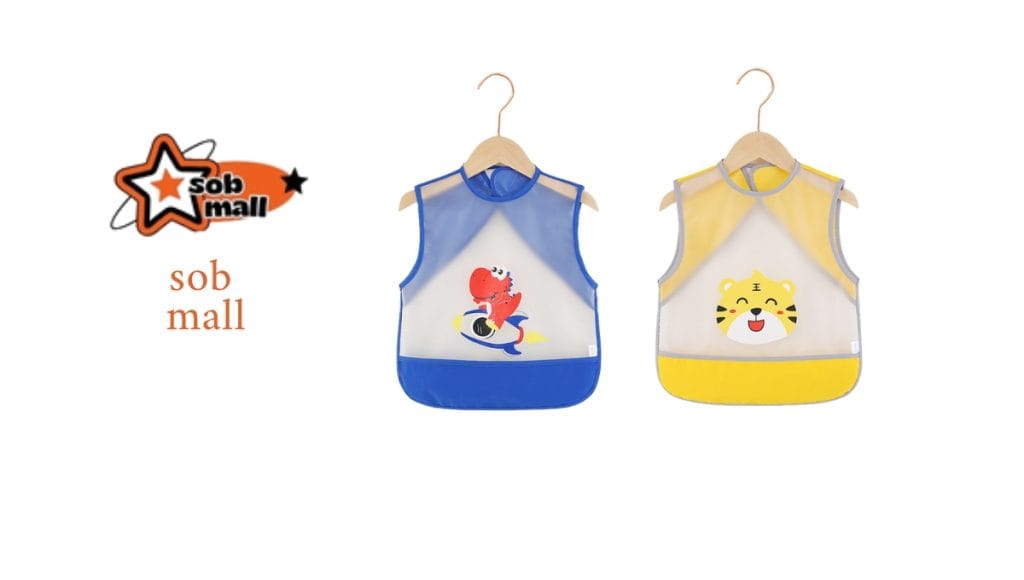
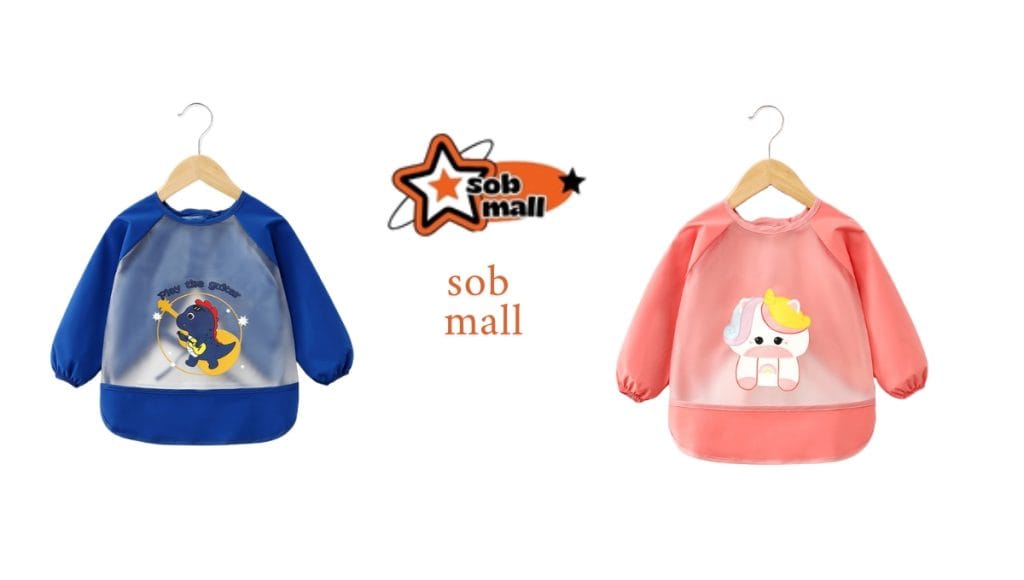
- Sleeved bib: Full-coverage options that include arm protection, great for toddlers learning to feed themselves.
2. Adult Bib
Not just for babies, adult bib serve a valuable purpose for the elderly, individuals with disabilities, or those recovering from surgery. These bibs are typically larger, made from absorbent or waterproof materials, and may feature snaps, Velcro, or ties for ease of use.
3. Chef and Restaurant Bib
In kitchens, bib are often integrated into aprons. Bib aprons, which cover the chest and lap, protect chefs from spills, burns, and splatters. These aprons are practical, easy to clean, and often come with pockets for holding utensils.
4. Sports Bib
In athletics, bib refer to numbered vests worn over clothing to identify players or participants. Common in soccer, marathons, and other team sports, these bib are usually made of lightweight mesh and feature bold numbering for visibility.
5. Race Bi
Similar to sports bib, race bibs are pinned to runners’ shirts during races. They typically include a participant number and sometimes embedded RFID tags for tracking race time.
Materials Used in Bib
The effectiveness of a bib largely depends on the material used. Modern bib are made from a range of materials suited to their specific use:
- Cotton: Soft and absorbent, perfect for drool bib.
- Polyester blends: Often used in sports bib and aprons for durability and breathability.
- Silicone: A game-changer in the baby industry, silicone bibs are waterproof, easy to clean, and often come with a food-catching pocket.
- Plastic or PVC: Common in wipe-clean bib, though less breathable.
- Terry cloth: Absorbent and soft, frequently used for traditional baby bib and adult care bib.
Design Trends and Innovations
Modern bibs are not just functional—they’re also stylish. The baby product industry, in particular, has seen a surge in creative bib designs that match outfits, feature witty sayings, or depict cute animals and characters. Silicone bibs with built-in crumb catchers have become especially popular for their reusability and ease of cleaning.
Adult bib have also undergone design upgrades. Instead of the old, hospital-style versions, modern adult bibs are more dignified, featuring stylish patterns or neutral colors that blend well with regular clothing.
For sports and race events, technology has enhanced bibs with built-in chips for tracking time, location, and even biometric data. Smart bibs are becoming a thing, especially in competitive events where precision matters.
Environmental Considerations
With increasing awareness of environmental concerns, many consumers now seek eco-friendly bib options. Reusable bibs made from organic cotton, bamboo fabric, or biodegradable materials have become more popular. Parents are moving away from disposable bib in favor of sustainable alternatives that offer long-term savings and a smaller ecological footprint.
Choosing the Right Bib
Choosing the right bib depends on the user’s age, activity, and specific needs. Here are a few tips:
- For babies, consider soft materials for everyday wear and waterproof bibs for mealtimes.
- For toddlers, sleeved bibs or large silicone bib with food catchers are ideal.
- For adults, look for full-coverage, easy-on bib with high absorbency and comfort.
- For chefs, durability and ease of washing are key.
- For athletes, go for lightweight, breathable bib that allow full range of motion.
Fun and Functional: Bib in Pop Culture
Bibs have also made appearances in pop culture. From cartoons like The Simpsons, where baby Maggie’s blue bib is iconic, to cooking shows where chefs proudly don their aprons (often bib-style), these items are more culturally embedded than we might think.
Even in adult fashion, bib-style tops or dresses are sometimes labeled as “bib front” designs, showing how the word continues to influence design terminology beyond its functional roots.
Conclusion
Though small in size, bib play a big role in comfort, cleanliness, and functionality across many stages of life and industries. From baby essentials to culinary tools and athletic gear, bibs have proven their versatility and value over time. Whether you’re shopping for your newborn, outfitting your kitchen staff, or prepping for your next marathon, the humble bib is a trusty companion you might never have realized you needed—but one you’ll be glad to have.